
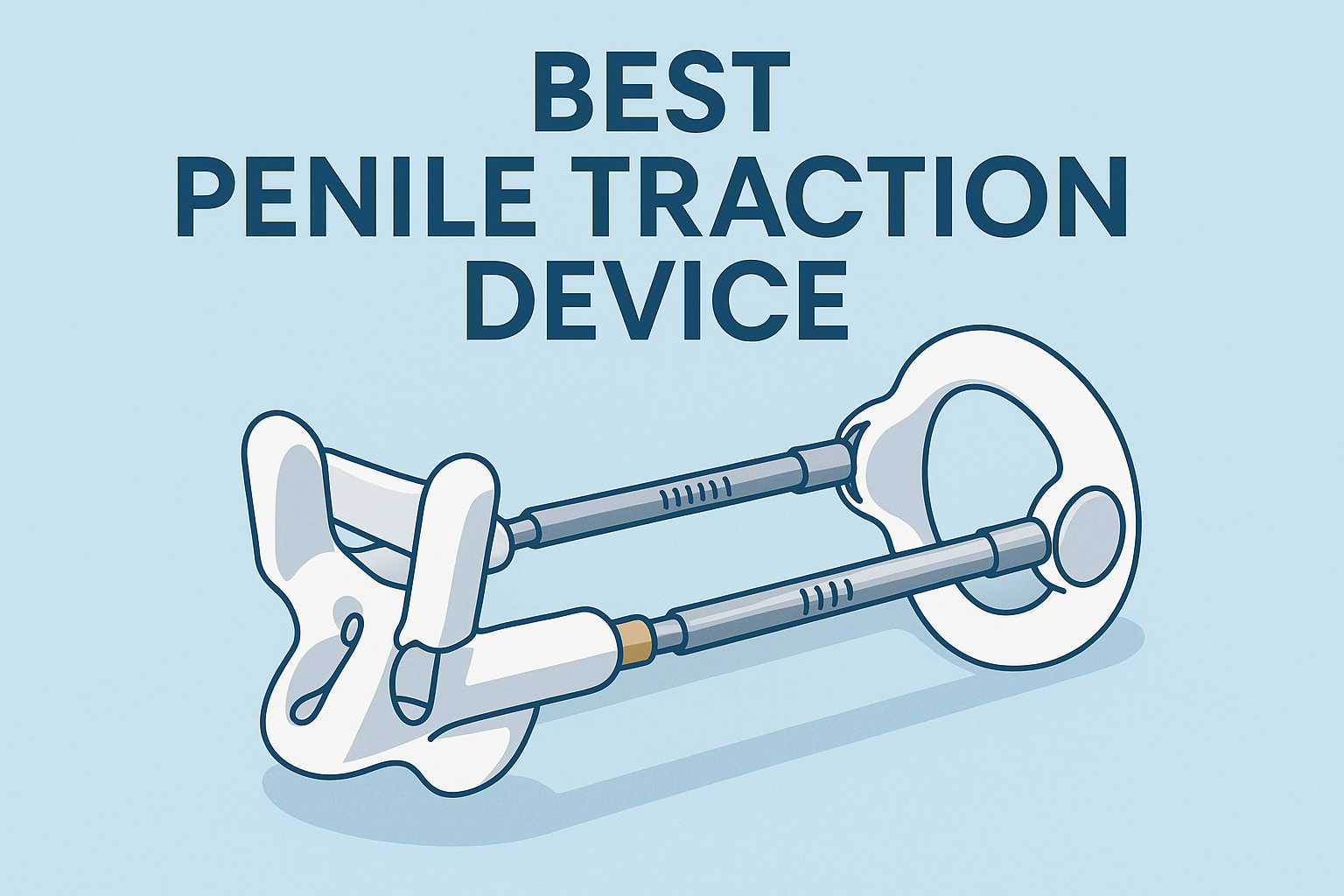
For men seeking natural enhancement solutions backed by science, penile traction devices represent one of the few clinically-validated options available today. These specialized tools work through consistent, gentle stretching that gradually encourages tissue expansion and cellular growth. Unlike questionable supplements or dangerous surgical procedures, quality penis extenders apply principles of tissue expansion that medical professionals recognize as effective for various applications. This comprehensive guide examines the most effective options on the market, analyzing their design features, comfort considerations, and documented results to help you make an informed decision about which device might best suit your personal goals.
Top Penile Traction Devices Overview
The market for penile traction devices has evolved significantly, with several standout products demonstrating impressive clinical results for both size gains and therapeutic applications. Modern devices balance effective tension with user comfort, allowing for extended hours of wear without significant discomfort or interruption to daily activities.
Key Features of Leading Devices
The most effective penile traction devices share several critical design elements while differentiating themselves through proprietary features. Premium models utilize medical-grade materials that ensure durability and safety during extended contact with sensitive tissue. Silicone-padded support systems and hypoallergenic components minimize irritation during the recommended hours of wear.
Tension adjustment mechanisms vary significantly between models, with some offering precise incremental settings while others use spring or belt systems for more generalized tension control. The ability to fine-tune tension settings is particularly important for beginners and those using devices for Peyronie’s disease treatment, where controlled, gradual pressure is essential.
Attachment methods represent another key differentiator, with traditional strap systems competing against newer vacuum-based approaches. Vacuum attachment systems distribute pressure more evenly but may require more maintenance, while strap systems offer simplicity but can create pressure points during extended wear sessions.
Most premium devices now include multiple attachment options and padding configurations to accommodate different anatomies and comfort preferences. This customization capability significantly impacts user adherence to recommended treatment protocols, which typically require 4-8 hours of wear daily for optimal results.
Medical Backing and Effectiveness
The scientific evidence supporting penile traction therapy has grown substantially, with multiple clinical studies demonstrating measurable results for both size enhancement and curvature correction. Research published in reputable medical journals indicates average length increases of 1-2 centimeters after consistent use over 3-6 months, with some users reporting greater gains with longer usage periods.
For Peyronie’s disease patients, traction therapy shows particular promise. Studies indicate significant improvement in penile curvature (averaging 20-30 degree reduction) when devices are used according to medical protocols. This non-surgical approach has led many urologists to recommend traction therapy as a first-line treatment option before considering more invasive procedures.
The medical community’s growing acceptance of traction therapy is reflected in the increasing number of urologist recommended devices on the market. Several leading products now carry FDA approval or registration as Class 1 medical devices, particularly those marketed specifically for Peyronie’s treatment.
It’s worth noting that while scientific evidence supports the general effectiveness of traction therapy, individual results vary considerably based on consistency of use, genetic factors, and starting conditions. Clinical studies typically exclude participants with certain medical conditions, so consulting with a healthcare provider before beginning any traction therapy remains essential.
Detailed Feature and Benefit Comparison
Strength and Traction Capabilities
The traction force generated by different devices represents perhaps the most critical technical specification. Leading models offer adjustable tension ranging from approximately 900 grams for beginners to over 4000 grams for advanced users. This range allows for progressive increases as tissues adapt to the stretching stimulus.
Research suggests that effective tissue expansion requires minimum tension thresholds of approximately 800-1200 grams, maintained for several hours daily. Devices with lower maximum tension settings may limit progress for experienced users, while those with higher capabilities provide room for advancement.
The tension adjustment mechanism’s precision varies significantly between models. Premium devices feature incremental adjustments allowing for 100-200 gram increases, while budget options may offer only 2-3 preset tension levels. This granularity becomes particularly important when following specific medical protocols for Peyronie’s disease, which often prescribe precise tension progressions.
Another critical factor is tension stability—how consistently the device maintains the selected pressure during movement and over time. Spring-based systems may lose tension gradually, while rod-based designs typically maintain more consistent pressure. This stability directly impacts the biological response to traction, as tissue expansion requires sustained rather than intermittent stretching.
Comfort and Wearability
User comfort represents the primary determinant of treatment adherence, making comfort features perhaps the most important practical consideration. Leading devices incorporate multiple comfort elements, including padded support bases, breathable materials, and anatomically-contoured components that distribute pressure evenly.
The attachment method significantly impacts user comfort during extended wear. Traditional noose designs create concentrated pressure points that limit wear time, while newer strap systems and vacuum attachments distribute pressure more evenly. Premium models now include multiple attachment options to accommodate different anatomies and sensitivity levels.
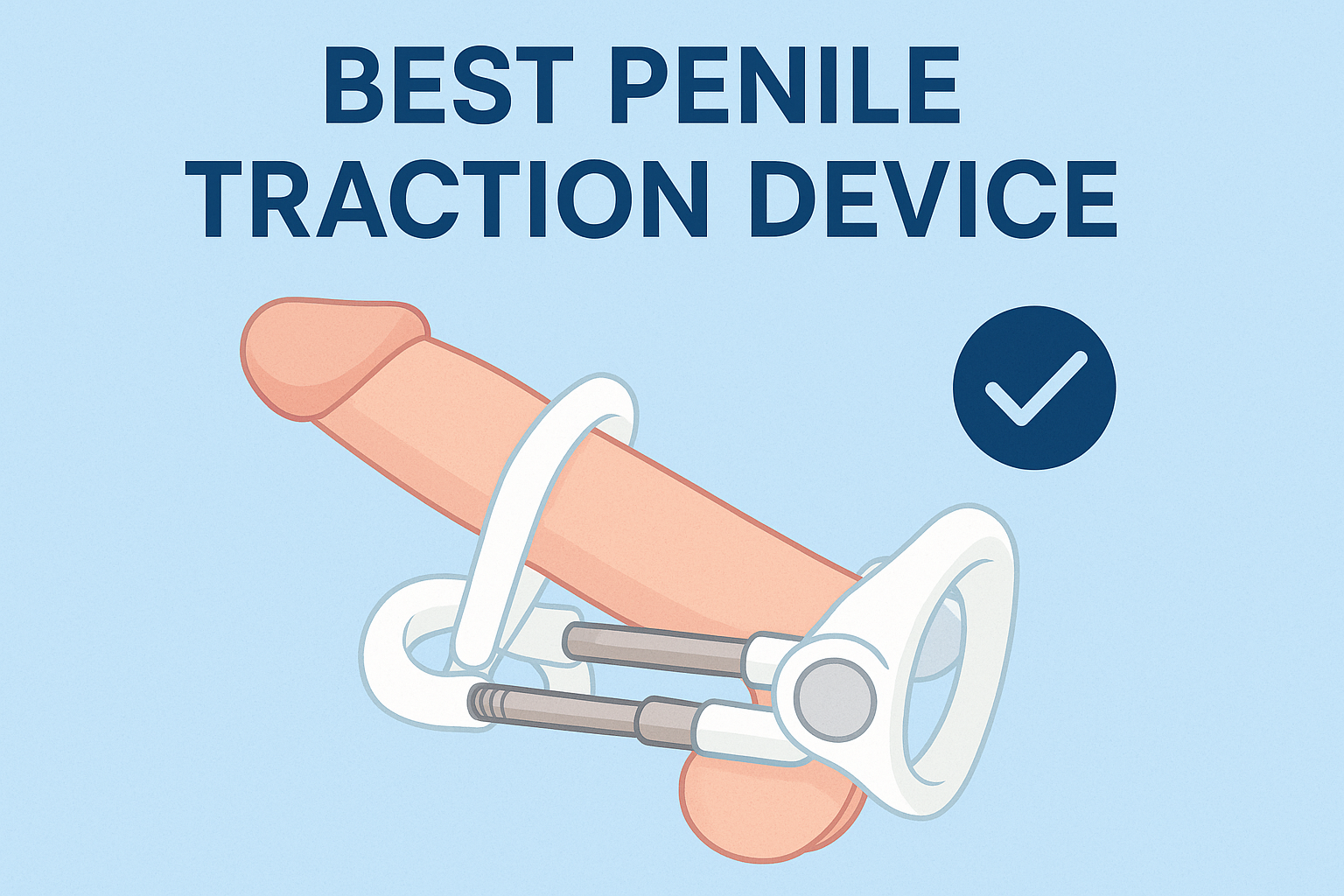
Weight and profile also affect wearability, particularly for users seeking discreet wear under clothing. Compact designs weighing under 100 grams generally offer better concealment, though often at the expense of adjustability or maximum tension capabilities. Several newer models specifically address this trade-off with modular designs that can be configured for either maximum traction or improved concealment.
Material quality directly impacts both comfort and safety. Medical-grade plastics and metals minimize irritation risks, while hypoallergenic padding prevents skin reactions during extended contact. Budget devices often compromise on these materials, resulting in increased discomfort and potential skin issues during the recommended hours of wear.
Usability and Adjustability
The learning curve associated with device assembly, adjustment, and maintenance varies considerably between models. User-friendly designs feature tool-free adjustment mechanisms and intuitive assembly processes that minimize frustration during daily use. This accessibility becomes particularly important for older users or those with dexterity limitations.
Adjustability extends beyond tension settings to include size accommodation, angle customization, and attachment options. Premium devices typically accommodate a wider range of starting sizes and growth potential, with some models offering extension rods that can be added as progress occurs. This scalability prevents the need for replacement devices as gains accumulate.
Maintenance requirements represent another practical consideration. Vacuum-based systems generally require more regular cleaning and occasional part replacement, while mechanical designs offer greater simplicity but may have more pressure points. The availability of replacement parts and their cost should factor into long-term value assessments.
Most quality devices now include detailed instruction manuals, video tutorials, and customer support resources to improve the user experience. These educational materials significantly impact proper usage and, consequently, results. Several manufacturers have developed mobile applications that track usage time and progress, further supporting consistent application of the therapy.
Pricing and Value Analysis
Cost Comparison of Popular Models
Penile traction devices represent a significant investment, with prices ranging from approximately $100 for basic models to over $500 for premium systems with comprehensive accessory packages. This price comparison reveals substantial variation even among clinically-validated options.
Entry-level devices typically feature simpler construction, basic comfort features, and limited adjustability. While these budget options may produce results with consistent use, they often compromise on comfort features that impact adherence to recommended wear schedules. Mid-range devices ($200-300) generally offer improved comfort systems and better adjustability without the comprehensive accessory packages of premium options.
Premium devices ($300-500+) typically include multiple attachment methods, extensive comfort accessories, and higher maximum tension capabilities. These systems often carry stronger medical endorsements and more extensive clinical validation, though the core mechanical principles remain similar across price points.
Several manufacturers offer tiered packages at different price points, with higher-tier options including additional comfort accessories, carrying cases, and extended warranty periods. These package differences should be evaluated based on individual priorities and anatomical needs rather than assuming the most expensive option is universally superior.
What You Get for Your Money
Beyond the device itself, warranty coverage represents a significant value consideration. Premium manufacturers typically offer 1-2 year warranties, with some providing lifetime guarantees against mechanical failure. This coverage becomes particularly important given the mechanical stress these devices endure during regular use.
Accessory packages vary dramatically between models and significantly impact both comfort and versatility. Common accessories include alternative attachment methods, additional padding options, carrying cases, and instructional materials. The practical value of these accessories depends on individual anatomy and usage patterns.
Customer support quality correlates strongly with price point, with premium manufacturers offering more comprehensive assistance. This support can prove valuable when addressing fit issues, optimizing results, or troubleshooting discomfort. Several leading companies now provide access to medical consultants who can offer personalized guidance based on specific conditions and goals.
Discreet shipping represents a standard feature across price points, with most manufacturers using plain packaging and generic company names on shipping labels and credit card statements. This privacy consideration remains important for many users and represents a baseline expectation rather than a premium feature.
User Experience and Feedback
Real-World Comfort and Results
Customer reviews consistently highlight the correlation between comfort and consistent usage, which directly impacts results. Users reporting the most significant size gains typically describe finding comfortable wear configurations that enabled them to meet or exceed recommended daily wear times of 4-6 hours.
Before and after results documented in user testimonials suggest average length increases of 0.5-1.5 inches after 4-6 months of consistent use, with some users reporting greater gains with extended use. These self-reported results generally align with clinical study findings, though selection bias likely influences publicly shared testimonials.
The learning curve associated with proper fitting and tension adjustment appears in many user reports. Most describe a 1-2 week adaptation period during which comfort and wear time gradually improve. This adjustment period appears shorter with devices offering more comprehensive comfort systems and detailed instructional materials.
For Peyronie’s disease users, customer reviews frequently mention curvature correction results becoming noticeable after 2-3 months of consistent use. These therapeutic applications generally receive more positive feedback than pure enhancement goals, likely reflecting both the medical necessity and the more objectively measurable nature of curvature improvement.
Potential Drawbacks and Considerations
Time commitment represents the most frequently cited challenge in user feedback. The recommended 4-8 hours of daily wear requires significant lifestyle accommodation, particularly for users with active occupations or social schedules. Many successful users report developing specific wear routines, often incorporating nighttime use to accumulate sufficient hours.
Initial discomfort appears in most honest user accounts, though the severity and duration vary considerably between devices and individual anatomies. Users of premium devices with multiple comfort options generally report shorter adaptation periods and greater long-term comfort, justifying the higher investment for many.
Patience regarding results timeline emerges as another common theme in user feedback. Many report disappointment with progress during the first month, followed by more noticeable changes in months 2-4. Setting realistic expectations regarding both the gradual nature of results and the consistency required appears critical to satisfaction.
Privacy concerns affect usage patterns for many users, with some reporting limiting wear to home environments despite manufacturer claims of discreet wearability. The psychological comfort of private usage often outweighs the technical possibility of public wear, particularly during initial adaptation periods.
Alternative Options and Buying Advice
Other Notable Penile Traction Devices
Beyond the market leaders, several specialized devices target specific user needs. Vacuum-based systems like Penimaster Pro offer alternative tension mechanisms that eliminate traditional pressure points but require more complex assembly and maintenance. These systems may benefit users who experienced discomfort with conventional strap-based designs.
Hybrid devices combining traction principles with additional technologies have emerged recently. Some incorporate vibration elements claiming to improve blood flow and accelerate tissue adaptation, while others integrate heating elements based on research suggesting improved tissue expansion at elevated temperatures. While innovative, these hybrid approaches currently lack the extensive clinical validation of traditional traction methods.
Budget-conscious consumers might consider simplified designs that maintain core mechanical principles while reducing comfort features. These basic models can produce results when used consistently but typically require greater user adaptation and may limit maximum wear time due to comfort limitations.
For Peyronie’s disease specifically, several medical-focused devices offer specialized curvature correction features. These therapeutic tools often include modified attachment systems and tension distribution mechanisms designed to target curved sections more effectively than general-purpose extenders.
How to Choose the Best Device for You
Personal goals should guide device selection, with different features prioritized for size enhancement versus Peyronie’s treatment. Curvature correction typically requires more specialized tension distribution, while general enhancement benefits from higher maximum tension capabilities and comfort features supporting extended wear.
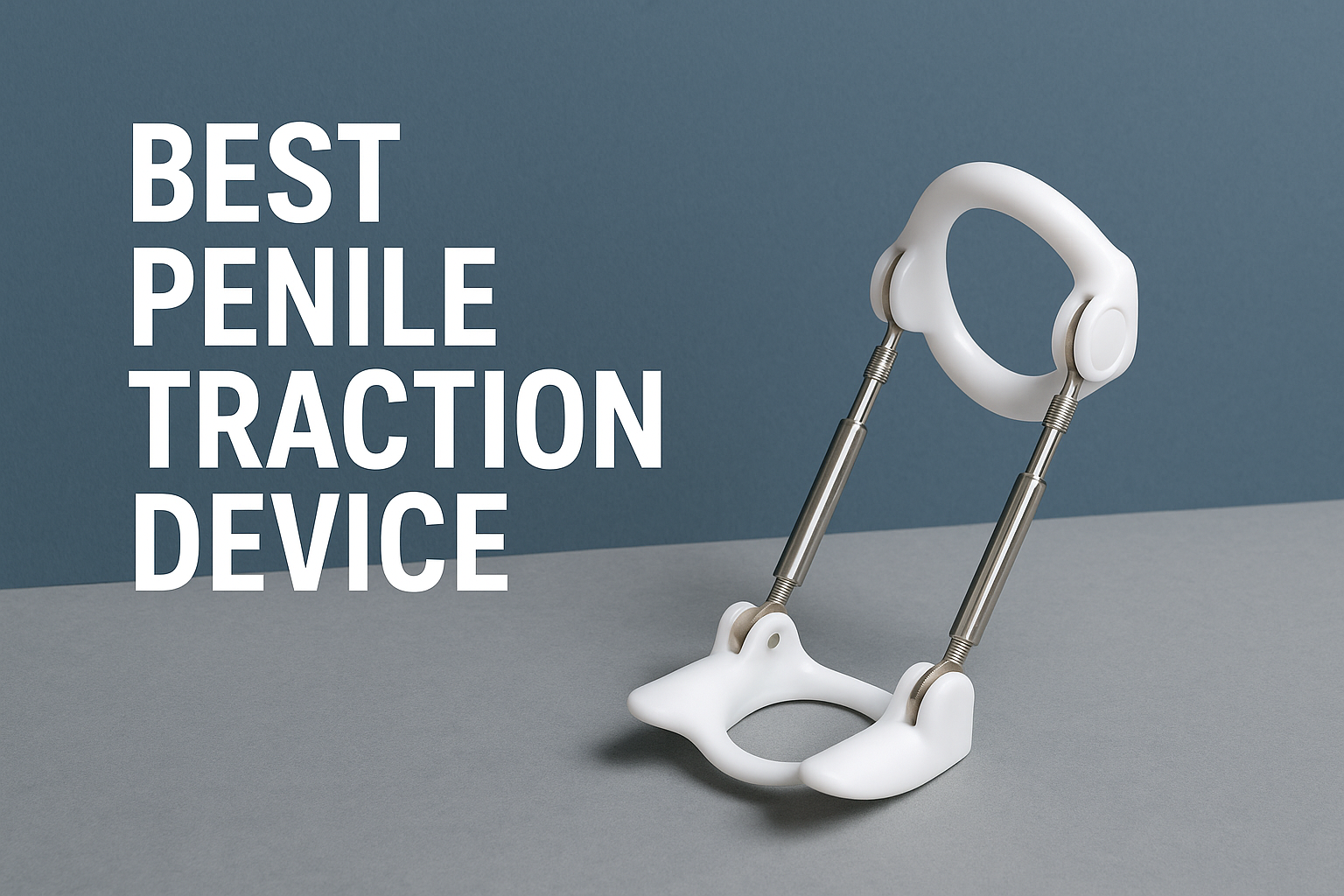
Anatomical considerations significantly impact device compatibility. Starting size (both flaccid and erect) determines appropriate device dimensions, with most manufacturers providing sizing guidelines. Particular anatomical variations may favor specific attachment systems—for example, users with greater glans sensitivity often prefer strap systems over traditional noose attachments.
Lifestyle factors should influence device selection, particularly regarding when and where you’ll accumulate wear time. Those planning primarily nighttime use might prioritize different features than someone needing discreet daytime wear. Work requirements, physical activity levels, and living situations all impact which design elements will prove most practical.
Budget constraints naturally influence options, but value assessment should consider long-term usage rather than initial cost alone. A more expensive device that enables consistent, comfortable wear often delivers better results than a budget option that causes discomfort and is subsequently abandoned. Many users report purchasing multiple devices before finding their optimal solution, ultimately spending more than if they had invested in a quality system initially.
Conclusion
Penile traction devices represent one of the few scientifically-validated approaches to natural enhancement and Peyronie’s disease management. The most effective devices balance tension capabilities with comfort features that support consistent daily wear, recognizing that user adherence ultimately determines results more than minor technical differences between quality systems.
For most users seeking enhancement results, premium devices with comprehensive comfort systems justify their higher cost through improved wearability and consequently better adherence to recommended protocols. Those addressing Peyronie’s disease should prioritize devices with specific medical backing for curvature correction and adjustable tension distribution.
Regardless of the specific device selected, realistic expectations regarding both results timeline and required commitment remain essential. The scientific evidence supports the effectiveness of traction therapy when applied consistently over months, not weeks, with most users requiring 3-6 months of regular use to achieve noticeable, lasting changes.
Ultimately, the “best” device varies based on individual goals, anatomy, and lifestyle factors. By carefully assessing these personal considerations against the feature comparisons provided in this guide, you can make an informed decision that maximizes your chances of achieving the results you seek through this proven approach to penile enhancement and therapy.
FAQ
How long does it take to see results with a penile traction device?
Most users report noticeable changes after 2-3 months of consistent daily use (4-6 hours per day), with more significant results developing over 4-6 months of continued application.
Are penile traction devices safe to use daily?
When used according to manufacturer guidelines, quality penile traction devices are generally safe for daily use, though beginners should start with shorter sessions (1-2 hours) and gradually increase wear time as comfort improves.
Can penile traction devices help with Peyronie’s disease?
Multiple clinical studies demonstrate that consistent use of penile traction devices can significantly reduce curvature associated with Peyronie’s disease, with typical improvements of 20-30 degrees after 3-6 months of regular therapy.


 English
  Deutsch
  Dansk
Dansk