
Many men have concerns about the size of their reproductive organ, with studies showing that approximately 45% of men wish their penis was larger, regardless of their actual size. This concern often stems from societal pressures, media portrayals, and misconceptions about what constitutes “normal.” Before exploring any enlargement methods, it’s important to understand that most men fall within the normal range, and that function and health are far more important than size. This article examines evidence-based approaches to penis enlargement, separating fact from fiction and providing realistic expectations about what actually works.
Understanding Male Reproductive Organ Enlargement
The male reproductive organ varies considerably in size among individuals. Before considering enlargement methods, it’s essential to understand what’s normal and what factors influence penis size. Most enlargement concerns stem from misconceptions rather than medical necessity.
What Determines Penis Size?
Penis size is primarily determined by genetics, similar to height or foot size. During puberty, the penis develops under the influence of hormones, particularly testosterone. After puberty is complete, natural growth typically stops. Other factors that influence size include:
Medical research indicates that the average erect penis length ranges between 5.1 to 5.5 inches (13-14 cm), with a circumference of approximately 4.7 inches (12 cm). It’s worth noting that perceived size can be affected by viewing angle and body composition. Men with larger bodies may perceive their penis as smaller due to proportional differences.
Common Motivations and Expectations
Men seek enlargement for various reasons, including:
- Perceived inadequacy compared to peers or media portrayals
- Desire to improve sexual performance or partner satisfaction
- Body dysmorphic concerns (excessive preoccupation with a perceived flaw)
- Recovery from medical conditions or procedures
It’s crucial to maintain realistic expectations. Most enlargement methods offer modest results at best, typically measured in fractions of an inch rather than dramatic increases. Psychological factors often play a more significant role in sexual satisfaction than physical size. Studies consistently show that many men who believe they need enlargement actually fall within normal size ranges.
Non-Surgical Enlargement Methods
Several non-invasive approaches claim to increase penis size. These methods vary significantly in their effectiveness, scientific support, and safety profiles.
Manual Exercises (e.g., Stretching and Jelqing)
Manual techniques involve physically manipulating the penis to potentially stimulate tissue growth. These include:
Jelqing: This involves using a hand-over-hand rolling motion from the base to the head of the partially erect penis. Proponents claim it increases blood capacity and encourages tissue expansion. Sessions typically last 15-20 minutes and are performed several times weekly.
Stretching: This involves pulling the flaccid penis outward and holding the position. Some practitioners use weights or attach devices to maintain tension for extended periods.
The scientific evidence for these techniques is limited. While some anecdotal reports suggest minor gains, controlled studies are lacking. These methods work on the principle that creating micro-tears in tissue will lead to healing and growth—similar to muscle building. However, the penis is not a muscle but rather a complex organ with spongy erectile tissue.
Potential risks include tissue damage, bruising, scarring, and erectile dysfunction if performed incorrectly or too aggressively.
Devices: Pumps and Extenders
Physical devices designed for enlargement include:
Vacuum pumps: These create negative pressure around the penis, drawing blood into the erectile chambers. While primarily designed to treat erectile dysfunction, some men use them for enlargement purposes. Regular use may provide temporary size increases, but permanent gains are questionable.
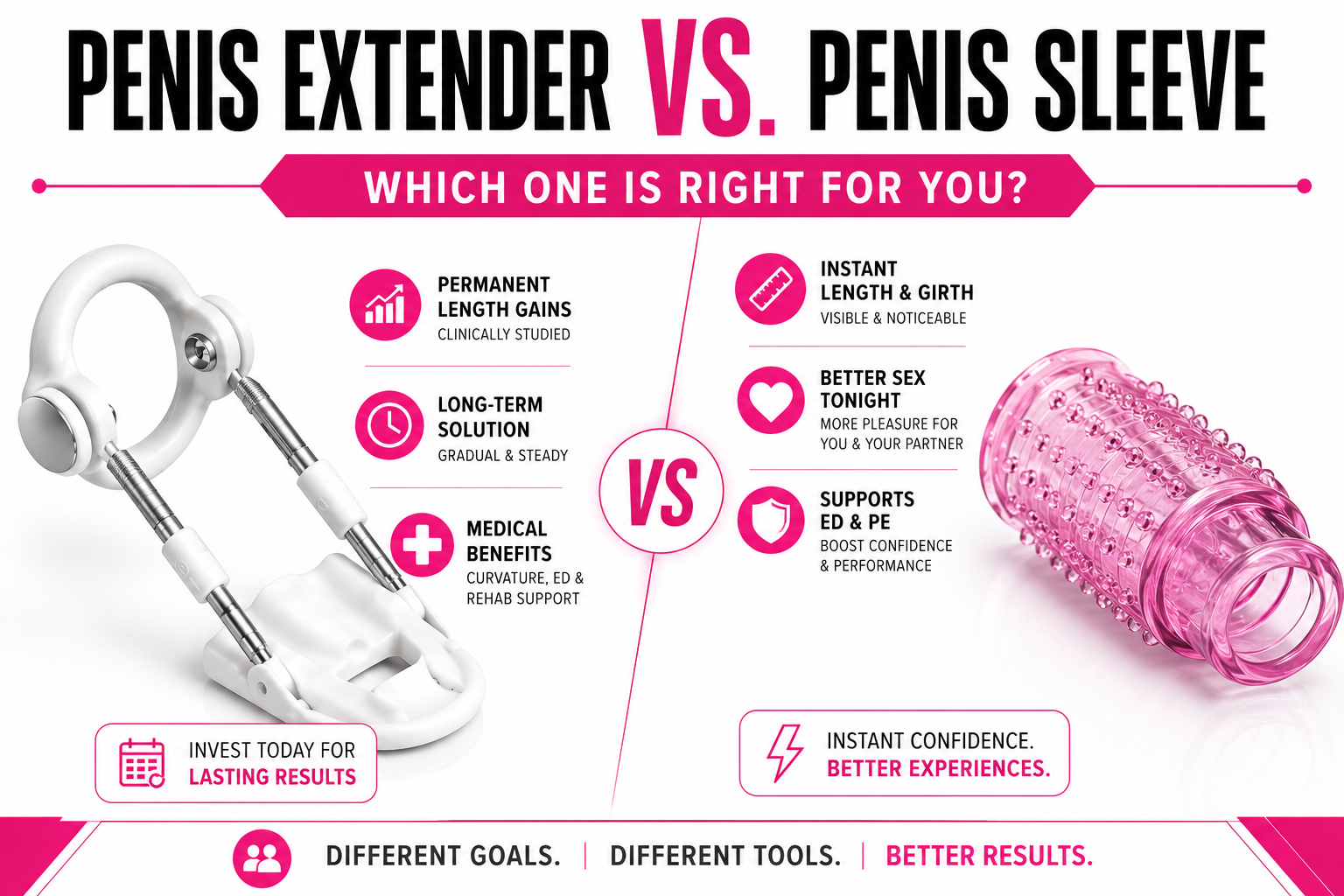
Penile extenders: These devices apply traction to the penis over extended periods (often 4-6 hours daily for months). Some clinical studies suggest modest length increases (approximately 1-2 cm) after consistent long-term use. Extenders have more scientific support than most non-surgical methods.
Traction devices work by encouraging cell division through prolonged stretching. The process, called cytokinesis, is similar to how tissues respond to expansion in other medical applications. However, results require significant time investment and consistent use.
Supplements, Creams, and Pills
The market is flooded with supplements, pills, and topical products claiming to enhance penis size. These products often contain:
- Herbs like ginseng, maca, or horny goat weed
- Amino acids such as L-arginine
- Vitamins and minerals
- Proprietary blends with undisclosed ingredients
Despite bold marketing claims, scientific evidence supporting these products is virtually non-existent. Most work through placebo effect or by temporarily increasing blood flow, which may enhance erection quality but not actual size. Some may contain undisclosed pharmaceutical ingredients that could pose health risks.
The FDA and other regulatory bodies do not evaluate these products for safety or efficacy before they reach the market. Consumers should approach such products with extreme caution.
Surgical Procedures for Enlargement
For men seeking more significant changes, surgical interventions exist. These procedures are the only methods with substantial evidence for producing noticeable size increases.
Overview of Surgical Options
Penile lengthening (phalloplasty): This procedure involves cutting the suspensory ligament that anchors the penis to the pubic bone. This allows more of the internal portion of the penis to extend outside the body. Post-surgery stretching is typically required to maintain results. Average gains range from 1-2 inches in flaccid length, with less impact on erect length.
Girth enhancement: Several techniques exist to increase penis circumference:
- Fat transfer: Harvesting fat from elsewhere in the body and injecting it into the penile shaft
- Dermal fillers: Temporary solutions using hyaluronic acid or similar substances
- Tissue grafting: Using skin grafts to increase circumference
These procedures are typically performed by urologists or plastic surgeons specializing in genital procedures. Results vary significantly based on individual anatomy and surgical technique. Most reputable surgeons will conduct thorough consultations to ensure appropriate expectations.
Potential Risks and Considerations
Surgical enlargement carries significant risks that must be carefully weighed:
- Scarring and altered appearance
- Decreased sensitivity or sexual function
- Infection and prolonged healing
- Asymmetrical results or lumping (particularly with fat transfers)
- Psychological dissatisfaction with results
Recovery typically takes several weeks, with full healing occurring over months. Many surgeons require psychological evaluation before proceeding to ensure patients have realistic expectations and no underlying body dysmorphic issues.
Cost is another major consideration, with procedures typically ranging from $5,000 to $15,000 and rarely covered by insurance. The financial investment should be considered alongside potential complications and the possibility of unsatisfactory results.
Step-by-Step Instructions and Safety
For those considering non-surgical approaches, proper technique and safety awareness are essential to minimize risks.
How to Perform Popular Manual and Device-Based Methods
- For manual stretching:
- Begin with a warm compress to increase blood flow and tissue pliability
- Grip the head of the flaccid penis firmly but gently
- Pull outward with steady pressure for 10-30 seconds
- Release and repeat in different directions (up, down, left, right)
- Perform 5-10 repetitions per session, 1-2 sessions daily
- For vacuum pumps:
- Apply lubricant to the penis and the rim of the cylinder
- Insert the penis into the cylinder and create a seal at the base
- Activate the pump mechanism to create vacuum pressure
- Maintain pressure for 5-10 minutes (never exceed 15 minutes)
- Release pressure slowly and remove the device
- Limit sessions to 3-4 times weekly
- For traction devices:
- Follow manufacturer instructions for fitting and tension settings
- Begin with shorter durations (1-2 hours) and gradually increase
- Monitor for discomfort, numbness, or skin changes
- Remove the device every 1-2 hours to restore normal circulation
- Maintain consistent daily use for at least 3-6 months
Essential Safety Tips and When to Stop
Safety must be the priority with any enlargement attempt:
- Never continue any technique that causes pain (mild discomfort is different from pain)
- Stop immediately if you notice bruising, discoloration, or numbness
- Take rest days between sessions to allow tissue recovery
- Maintain proper hygiene with all devices to prevent infection
- Start with minimal intensity and gradually increase over weeks
Warning signs that require immediate cessation include: – Persistent pain lasting more than an hour after stopping – Difficulty urinating or painful urination – Unusual curvature or deformity – Erectile difficulties that weren’t present before
Troubleshooting Common Issues
Users of enlargement methods frequently encounter these challenges:
Skin irritation: Often caused by friction or pressure. Use appropriate lubricants and ensure proper fit of any devices. Consider hypoallergenic materials if sensitivity occurs.
Plateau in results: Progress typically slows after initial gains. Varying techniques, adjusting intensity, or taking a short break may help overcome plateaus.
Inconsistent results: Size fluctuations are normal due to factors like temperature, arousal level, and hydration. Measure consistently (same time of day, temperature, etc.) for accurate tracking.
Psychological pressure: Many men develop anxiety about “performing” enlargement routines. Remember that consistency is more important than intensity, and that unrealistic expectations can lead to disappointment.
Conclusion
The pursuit of penis enlargement should be approached with realistic expectations and a focus on overall sexual health. The most reliable methods—traction devices and surgery—offer modest results at best and come with significant time commitments or risks. Many men who believe they need enlargement actually fall within normal size ranges.
Before pursuing any enlargement method, consider consulting with a urologist or sexual health specialist. These professionals can provide personalized guidance based on your specific situation and anatomy. They may also identify underlying issues that could be addressed through less invasive means.
Remember that sexual satisfaction depends far more on communication, technique, and emotional connection than on physical dimensions. Focusing on these aspects of sexuality often yields greater benefits than pursuing size changes.
FAQ
Are natural enlargement methods effective or permanent?
Most natural methods show limited evidence of effectiveness, with any gains typically being temporary unless the regimen is maintained consistently over time.
What are the risks of using pumps, extenders, or supplements?
Risks include tissue damage, bruising, erectile dysfunction, allergic reactions to supplements, and wasted money on ineffective products.
When should someone seek medical advice?
Medical consultation is advisable before starting any enlargement regimen, if experiencing pain or complications from techniques, or if concerns about size are causing significant psychological distress.


 English
  Deutsch
  Dansk
Dansk