
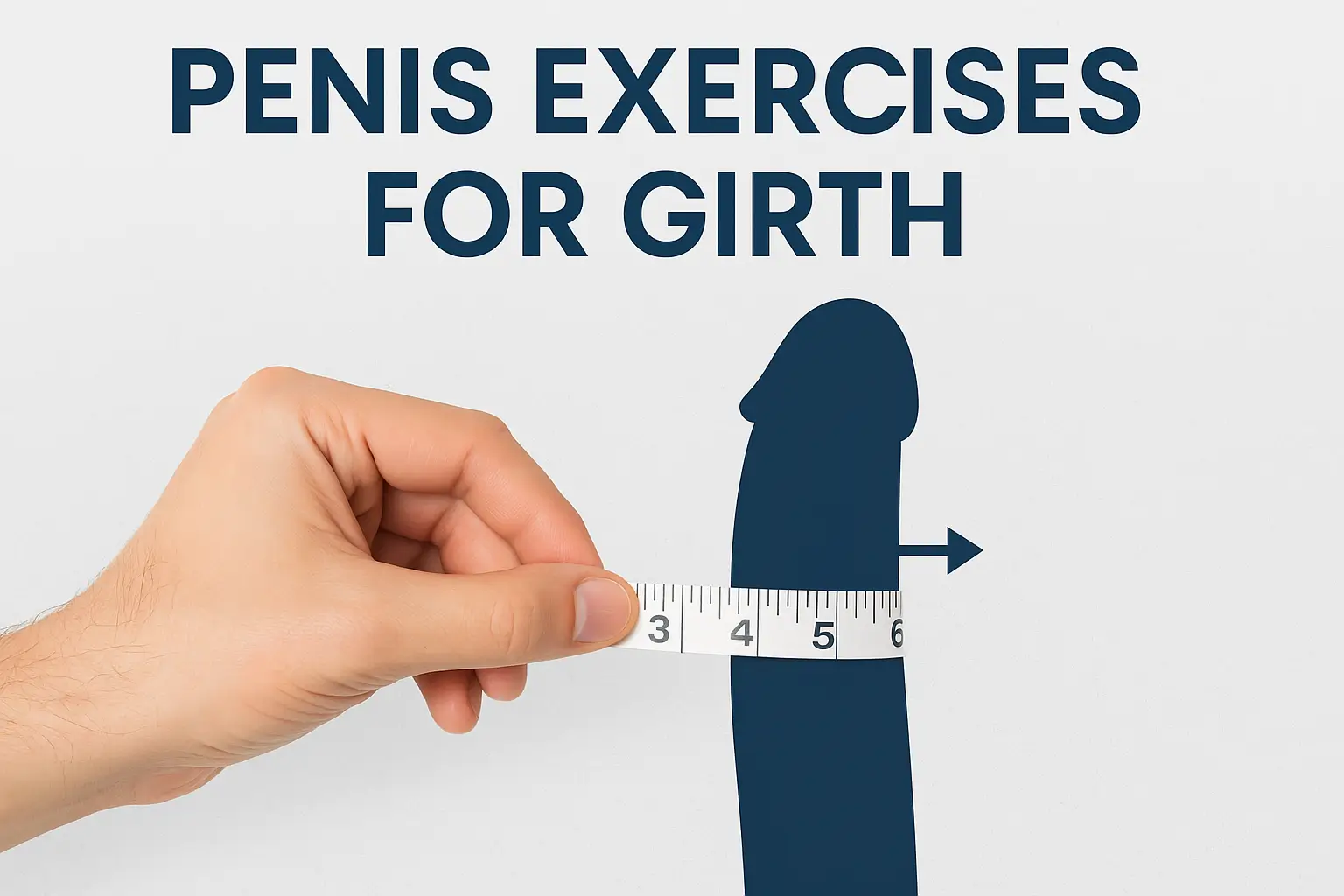
Many men wonder if there are effective ways to enhance their physical dimensions, particularly when it comes to circumference. This curiosity stems from both personal desires and societal influences that often equate size with masculinity and sexual prowess. While there’s an abundance of information available online, separating fact from fiction can be challenging. This article examines various exercise techniques aimed at increasing penile girth, evaluating their effectiveness based on scientific evidence rather than marketing claims. We’ll explore what actually works, potential risks, and realistic expectations for those considering these methods.
Understanding Penis Girth and Its Significance
Before diving into enhancement techniques, it’s essential to understand what girth actually means in anatomical terms and why it matters to many men. This foundation helps establish realistic expectations and informed decision-making.
Defining Girth: Anatomy and Measurements
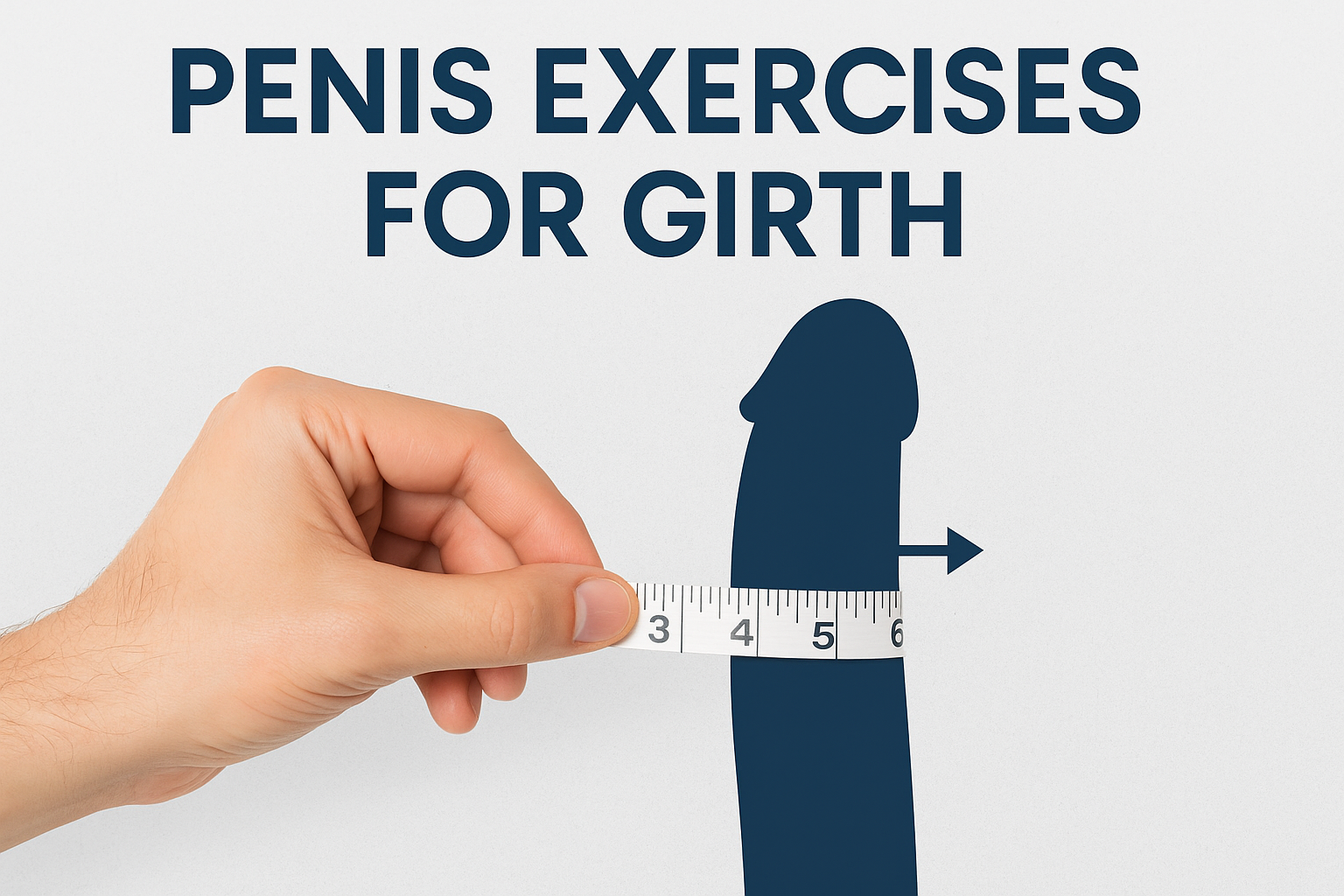
Penile girth refers to the circumference or thickness of the penis, typically measured around the shaft. Unlike length, which is measured from base to tip, girth involves measuring around the widest part of the shaft. The average erect girth ranges between 4.5 to 5 inches, though there’s considerable natural variation.
| Measurement Location | Average Range (inches) | Measurement Method |
|---|---|---|
| Base Girth | 4.5-5.0 | Measuring tape around base |
| Mid-shaft Girth | 4.5-5.0 | Measuring tape around middle |
| Below Glans | 4.3-4.8 | Measuring tape below head |
The penis contains three cylindrical chambers: two corpora cavernosa on the top side and the corpus spongiosum on the underside. During arousal, these chambers fill with blood, creating an erection. The tunica albuginea, a fibrous envelope surrounding these chambers, plays a crucial role in girth enhancement exercises, as many techniques aim to create microscopic tears in this tissue that heal and potentially expand over time.
Why Men Seek Girth Enhancement: Psychological, Functional, and Relationship Factors
Men pursue girth enhancement for various reasons. Psychologically, many associate size with masculinity, self-confidence, and sexual competence. This perception is often reinforced by media portrayals and pornography, creating unrealistic standards.
From a functional perspective, some believe increased girth may enhance sexual pleasure for partners. The vaginal walls contain nerve endings that respond to pressure and stretching, potentially making girth more significant than length for stimulation.
Relationship dynamics also play a role. Some men pursue enhancement due to direct or perceived feedback from partners, while others do so for personal satisfaction regardless of partner feedback. It’s worth noting that many studies indicate that partner satisfaction correlates more strongly with emotional connection and technique than with physical dimensions.
Types of Penis Exercises for Girth
Various approaches to girth enhancement exist, ranging from manual techniques to device-assisted methods. Each comes with its own methodology, potential benefits, and risks.
Manual Techniques: Methods, Benefits, and Risks
Jelqing is perhaps the most well-known manual technique. It involves creating an “OK” grip with the thumb and forefinger, then slowly pulling from the base to just below the glans in a milking motion. Practitioners typically perform 100-300 strokes per session, 3-5 times weekly. The theory suggests this creates microtears that heal and expand over time.
Stretching exercises involve pulling the penis in various directions to create tension. While primarily targeting length, some stretching routines claim to affect girth as well.
Clamping uses a device or manual pressure to trap blood in the penis, creating pressure that supposedly expands the tissues. This advanced technique carries significant risks including tissue damage and should never be attempted without thorough research.
Benefits of manual techniques include zero cost, privacy, and control over pressure and duration. However, risks include bruising, pain, vascular damage, and Peyronie’s disease (abnormal curvature) if performed incorrectly or too aggressively.
Device-Assisted Exercises: Pumps and Traction Devices
Penis pumps create vacuum pressure around the penis, drawing blood into the tissues and temporarily increasing size. While primarily marketed for erectile dysfunction, some men use them for enhancement purposes. Regular use (15-20 minutes, 3-4 times weekly) is claimed to create lasting changes, though evidence is limited.
Traction devices apply constant, gentle stretching force over extended periods. Though primarily designed for length, some users report modest girth increases, particularly at the glans.
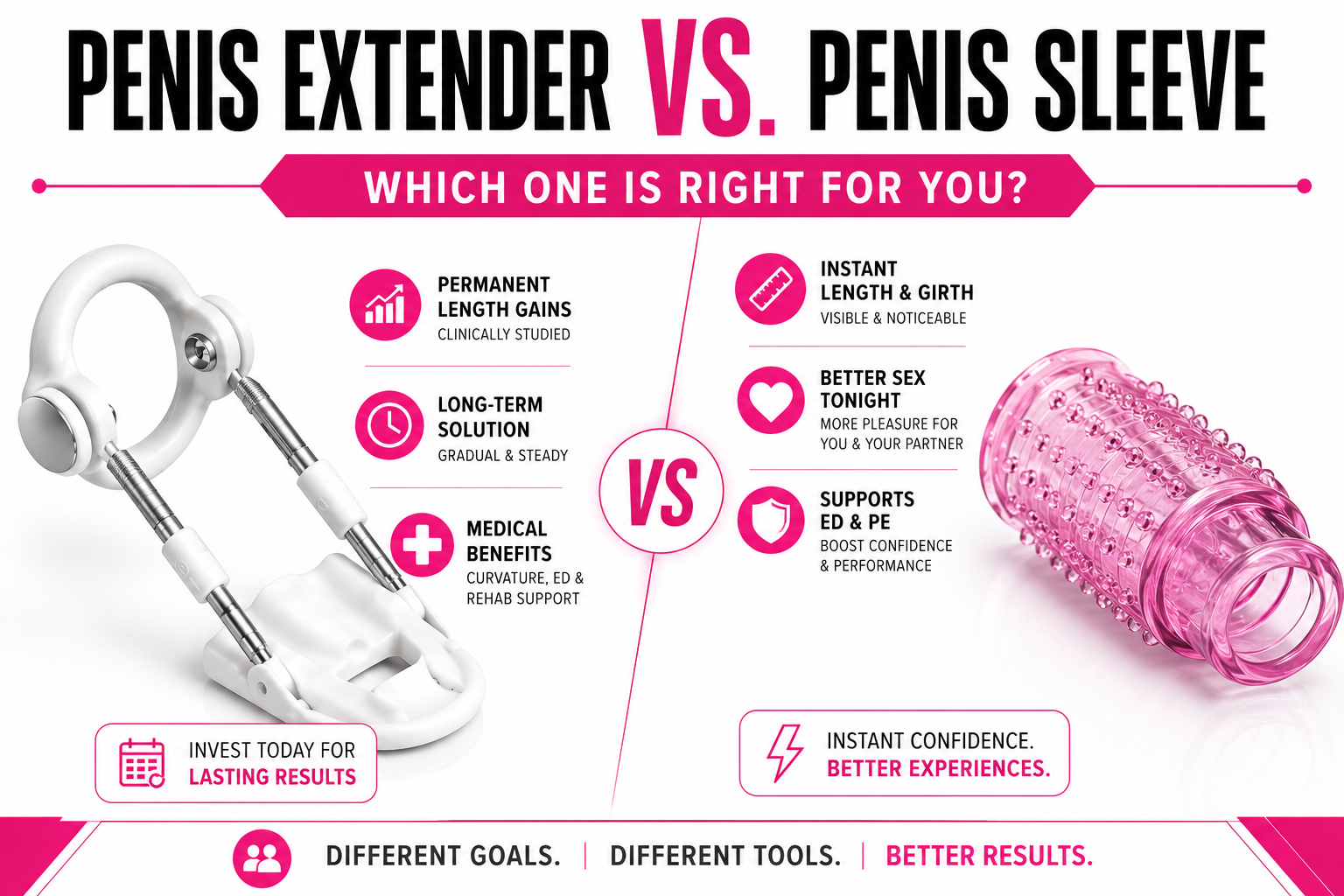
Extenders are worn for several hours daily over months. They work on the principle of tissue expansion through consistent tension. While more scientifically supported for length gains, some models claim to affect girth as well.
These devices offer standardized pressure and measurable progress but come with drawbacks including cost, discomfort during extended use, and potential for injury if used improperly.
Adjunct Approaches: Supplements and Novel Therapies

Various supplements claim to enhance blood flow, tissue growth, or hormone levels. Ingredients like L-arginine, horny goat weed, and ginseng are common. However, scientific evidence supporting their effectiveness specifically for girth enhancement is virtually nonexistent.
Some men combine exercises with topical products containing ingredients like ginger or cayenne to increase blood flow. Again, evidence for effectiveness is anecdotal at best.
Emerging therapies include platelet-rich plasma (PRP) injections, which use concentrated platelets from the man’s own blood to potentially stimulate tissue growth. While showing promise for various medical applications, their use for cosmetic enhancement remains experimental and costly.
Effectiveness and Safety of Girth Enhancement Exercises
With so many techniques available, understanding what actually works—and what’s safe—becomes paramount before beginning any enhancement regimen.
Scientific Evidence and Realistic Expectations
The scientific literature on non-surgical penis enhancement is limited. Most studies focus on medical devices for erectile dysfunction rather than cosmetic enhancement. The few studies examining enhancement techniques often suffer from methodological limitations including small sample sizes, lack of control groups, and self-reported measurements.
One review published in a urology journal found insufficient evidence to recommend any non-surgical technique for permanent enhancement. However, some small studies suggest modest gains may be possible with consistent, long-term application of certain techniques.
Realistic expectations are crucial. Even proponents of these methods typically report gains measured in fractions of an inch rather than dramatic changes. These modest changes typically require months of consistent practice rather than weeks.
The temporary effects of some techniques (particularly pumping) are well-documented and can last several hours. Whether these temporary changes can become permanent remains controversial.
Potential Health Risks and How to Exercise Safely
All enhancement techniques carry risks. Minor side effects include temporary discoloration, mild pain, and “donut effect” (fluid retention near the glans). More serious complications can include penile fracture, damage to blood vessels or nerves, erectile dysfunction, and Peyronie’s disease.
To minimize risks, beginners should start with gentle techniques and gradually increase intensity. Proper warm-up with a hot compress or shower helps prepare tissues. Maintaining proper form and avoiding excessive pressure is essential.
Warning signs to stop immediately include sharp pain, bruising, numbness, difficulty urinating, or persistent discoloration. These may indicate tissue damage requiring medical attention.
Advice from Medical Professionals
Urologists and sexual health specialists generally advise caution regarding enhancement exercises. Many recommend addressing psychological concerns about size through counseling rather than physical modification attempts.
For those determined to try enhancement techniques, medical professionals emphasize starting gradually, maintaining realistic expectations, and stopping immediately if pain or injury occurs. They also stress the importance of regular rest days to allow tissue recovery.
Some doctors acknowledge that certain techniques, when performed safely and consistently, might produce modest results for some men. However, they emphasize that results vary greatly between individuals based on factors including age, tissue elasticity, and vascular health.
Perspectives and Controversies
The field of penis enhancement remains controversial, with passionate advocates and skeptics on both sides of the debate.
Testimonials and User Experiences
Online forums dedicated to penis enhancement contain thousands of testimonials from men claiming success with various techniques. Many report gains of 0.25-0.5 inches in girth over months or years of consistent practice.
However, these self-reported results must be viewed critically. Measurement errors, confirmation bias, and the tendency to report only positive outcomes can skew perceptions. Additionally, temporary gains from fluid retention or increased blood flow may be mistaken for permanent tissue growth.
Some long-term practitioners report maintaining their gains for years, while others describe a “use it or lose it” phenomenon where results diminish without ongoing maintenance routines.
Medical Community’s Viewpoint
The mainstream medical community remains skeptical about non-surgical enhancement methods. Most medical textbooks and clinical guidelines don’t address these techniques, reflecting the lack of rigorous research.
Some sexual health specialists acknowledge that certain techniques might produce modest results through mechanisms similar to other forms of tissue expansion used in medicine. However, they emphasize that the risk-benefit ratio may not favor these approaches given the potential for injury.
The psychological component receives more attention from healthcare providers, who often focus on addressing body image concerns rather than physical modification.
Cultural and Societal Influences
Cultural factors heavily influence perceptions about penis size and the desire for enhancement. Different cultures place varying emphasis on size as a component of masculinity.
Modern pornography has been criticized for creating unrealistic expectations through selective casting and camera techniques. This visual media can significantly impact body image, particularly among younger men with limited real-world reference points.
The marketing of enhancement products often exploits these insecurities with exaggerated claims and misleading before-and-after images. This commercial aspect has made many medical professionals wary of the entire field.
Conclusion
The quest for increased penile girth through exercises presents a complex landscape of potential benefits, risks, and uncertainties. While some techniques may offer modest gains for dedicated practitioners, scientific evidence remains limited, and risks are real.
For those considering these methods, a cautious, informed approach is essential. Starting with the safest techniques, maintaining realistic expectations, and prioritizing health over size are crucial principles. Consulting with a healthcare provider before beginning any enhancement regimen is advisable, particularly for men with pre-existing health conditions.
Perhaps most importantly, understanding that sexual satisfaction—both personal and for partners—depends far more on communication, emotional connection, and technique than on physical dimensions can help place enhancement efforts in proper perspective.
FAQ
Are there permanent gains from penis girth exercises?
Some dedicated practitioners report maintaining modest gains (typically 0.25-0.5 inches) with consistent practice followed by maintenance routines, though scientific verification of permanent tissue growth remains limited.
What are the main risks to watch for?
The primary concerns include vascular damage, nerve injury, Peyronie’s disease (abnormal curvature), and erectile dysfunction, particularly when techniques are performed too aggressively or without proper warm-up.
How do device-based exercises compare to manual methods?
Devices typically offer more consistent pressure and measurable parameters but come with higher costs and learning curves, while manual techniques provide greater control and sensitivity to feedback but may be more technique-dependent for results.


 English
  Deutsch
  Dansk
Dansk